

-
llámanos
0086 13559245184 -
Envíanos un correo electrónico
sales@fortunepart.com
llámanos
0086 13559245184Envíanos un correo electrónico
sales@fortunepart.com
Sep, 2026
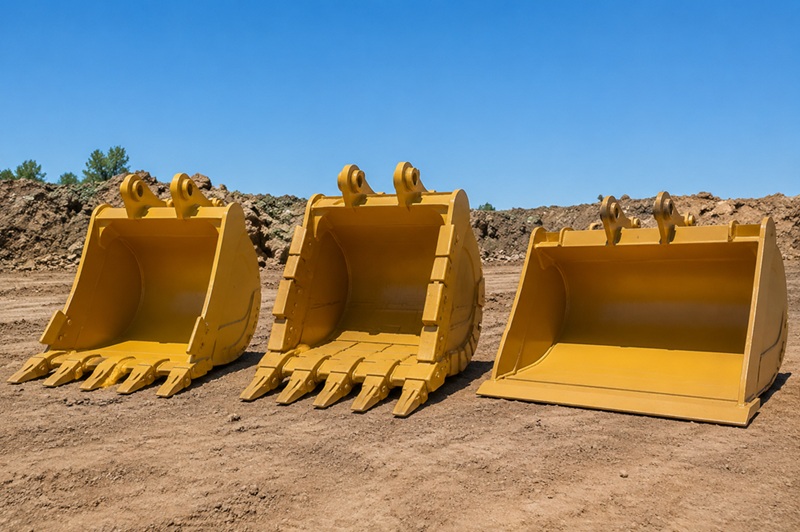
La mayoría de las excavadoras pasan gran parte de su vida útil llevando un cucharón, y el cucharón es el accesorio que entra en contacto primero con el material. Elegir el incorrecto ralentiza el trabajo, desperdicia combustible y desgasta tanto el cucharón como la máquina. El cucharón adecuado, por el contrario, se llena rápidamente, se descarga limpiamente y dura miles de horas. Ya sea que excave tierra, cargue roca o limpie zanjas, la selección comienza haciendo coincidir el cucharón con el trabajo. Si está comparando opciones, un buen punto de partida es observar lo que está disponible en la Cucharón de servicio pesado para excavadora gama y verificar qué tipo coincide con su material y el tamaño de su máquina.
Un cucharón no es un producto único con diferentes tamaños. Los cucharones están diseñados en torno al material que manejan, la máquina a la que se ajustan y el ciclo de trabajo que soportan. Un cucharón de excavación para tierra suelta tiene paredes delgadas y una gran capacidad. Un cucharón para roca tiene una placa gruesa, protección contra el desgaste pesada y una estructura más fuerte para sobrevivir a la carga por impacto. Usar un cucharón para tierra en roca es una forma común de destruir un accesorio rápidamente, mientras que usar un cucharón para roca para nivelación fina hace que el trabajo sea lento y tosco.
La densidad del material es el factor clave. La tierra suelta y la arena son ligeras, por lo que el cucharón puede ser grande. La roca, el hormigón y el material volado son pesados, por lo que el cucharón debe ser más pequeño y resistente para mantener la carga dentro de la capacidad nominal de la excavadora. Elegir a ojo en lugar de por la densidad del material es la razón más común para tener cucharones demasiado pequeños o demasiado grandes.
Un cucharón bien adaptado también afecta directamente a la productividad. El ciclo de trabajo se compone de excavar, levantar, girar, descargar y regresar. Un cucharón que penetra fácilmente se llena más rápido, un cucharón que se descarga limpiamente se vacía por completo y un cucharón con la capacidad adecuada evita tanto la sobrecarga como los ciclos desperdiciados. Las pequeñas diferencias en el diseño del cucharón se manifiestan como una diferencia medible en toneladas movidas por hora, razón por la cual la elección del cucharón es una decisión de productividad, no solo de mantenimiento.
La siguiente tabla resume los tipos de cucharones comunes y el trabajo para el que mejor se adaptan. La lista es una guía general, y las versiones específicas pueden diferir entre fabricantes.
| Tipo de cucharón | Uso típico | Características de diseño |
|---|---|---|
| Cucharón de uso general | Tierra, arena, relleno mixto, excavación general | Capacidad y resistencia equilibradas, versátil para el trabajo diario |
| Cucharón de servicio pesado | Tierra dura, arcilla, rocas pequeñas, escombros de demolición | Placa más gruesa, esquinas reforzadas, protección contra el desgaste más pesada |
| Cucharón para roca | Roca volada, roca de voladura, trabajo de cantera y minería | Acero grueso, placas laterales fuertes, piezas de desgaste reemplazables |
| Cucharón de limpieza de zanjas | Limpieza de canales y zanjas, recorte de taludes | Perfil estrecho, forma abierta para agua y lodo |
| Cucharón de nivelación | Nivelación fina y acabado | Fondo plano largo, perfil ancho para superficies lisas |
| Cucharón para residuos y reciclaje | Clasificación de residuos, manejo de chatarra, plantas de reciclaje | Estructura reforzada, a menudo con revestimiento antidesgaste |
Para trabajos abrasivos como cargar roca o manipular residuos, la superficie del cucharón sufre un gran desgaste. Algunos cucharones están tratados con un revestimiento antidesgaste que ralentiza la erosión de la superficie y prolonga la vida útil del accesorio. Este es uno de los detalles que vale la pena preguntar al comparar modelos similares.
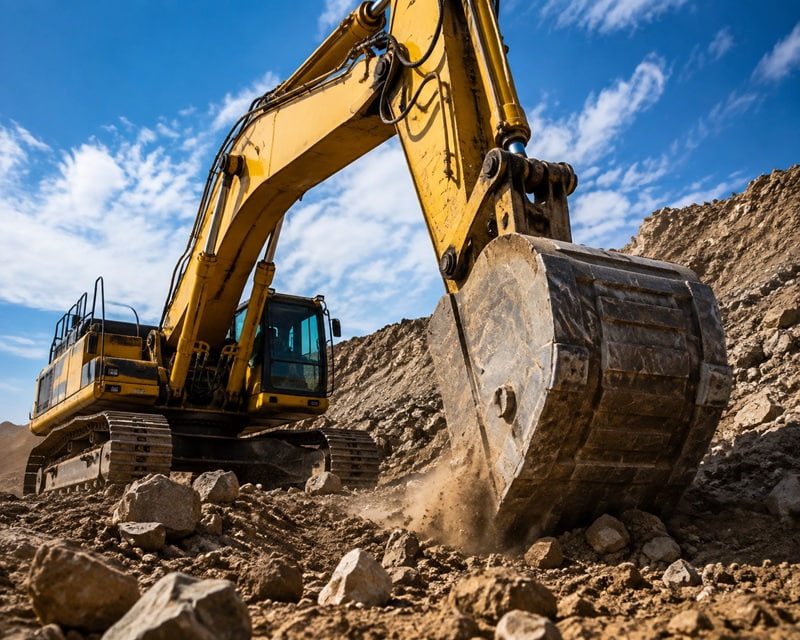
Adaptar un cucharón es algo más que el tamaño del pasador. El cucharón debe adaptarse al peso de la máquina, la capacidad hidráulica y el material previsto. La siguiente tabla enumera los puntos clave a confirmar antes de realizar el pedido.
| Elemento | Qué confirmar | Por qué es importante |
|---|---|---|
| Clase de peso de la máquina | Peso operativo de la excavadora en toneladas | La capacidad del cucharón debe mantenerse dentro de los límites de elevación y fuerza de arranque de la máquina |
| Capacidad del cucharón | Capacidad al ras y colmada | El volumen correcto mantiene el ciclo rápido sin sobrecargar la máquina |
| Espaciado de pasadores y orejetas | Diámetro del pasador, ancho de la orejeta y tipo de varillaje de la pluma | Un montaje incompatible hace que sea imposible ajustar el cucharón correctamente |
| Densidad del material | Suelo, roca o material mixto | El material denso requiere un cucharón más pequeño y resistente |
| Protección contra el desgaste | Placas de desgaste, filo de corte y tipo de dientes del cucharón | Las piezas de desgaste determinan cuánto tiempo mantiene su forma el cucharón |
La capacidad es el punto de confusión más común. Un cucharón demasiado grande para la máquina reduce la fuerza de arranque, hace que la pluma se esfuerce y aumenta el consumo de combustible. Un cucharón demasiado pequeño desperdicia tiempo con demasiados ciclos. La clasificación del fabricante para la máquina y la densidad del material son las dos referencias que resuelven la cuestión. Para materiales pesados como roca volada, los operadores suelen elegir un cucharón para roca de menor capacidad, y opciones como el Doosan Excavator Rock Bucket muestran cómo cambia el diseño cuando el material es duro y abrasivo.
Los dientes y los filos de corte del cucharón son las piezas que tocan el suelo y están diseñadas para ser reemplazadas. Los dientes vienen en diferentes perfiles: dientes afilados para penetración, dientes anchos para excavación general y dientes de servicio pesado para roca. El portadientes (adaptador) y el tipo de pasador deben coincidir con el cucharón, y los repuestos deben ser fáciles de conseguir. Un cucharón con piezas de desgaste estándar y comunes es más fácil y económico de mantener que uno con tamaños inusuales.
El filo de corte también soporta la carga de penetración. Un filo plano es común en los cucharones de nivelación, mientras que un filo dentado ayuda a romper suelos duros o compactados. La combinación correcta de dientes, filo y geometría del cucharón es lo que facilita la penetración y acelera el llenado.
Las piezas de desgaste son el seguro más barato para la estructura del cucharón. Reemplazar los dientes y los filos de corte según lo programado protege la placa y los soportes de recibir toda la carga de la abrasión. Retrasar el cambio de un diente puede dañar el soporte, y un soporte dañado generalmente significa más soldadura y tiempo de inactividad que un simple cambio de diente.
Los cucharones se desgastan gradualmente y las pequeñas reparaciones son mucho más baratas que reemplazar todo el accesorio. Revise el cucharón regularmente para detectar los siguientes signos.
| Signo de desgaste | Qué significa | Acción recomendada |
|---|---|---|
| Placa inferior delgada o con agujeros | Erosión superficial por material abrasivo | Añada placas de desgaste o vuelva a soldar antes de que el agujero crezca |
| Dientes y soportes desgastados | Desgaste normal de las piezas de corte | Reemplace los dientes a tiempo; verifique si hay daños en los soportes |
| Esquinas o soldaduras agrietadas | Carga de impacto más allá del límite de diseño | Repare en un taller calificado y verifique el ciclo de trabajo |
| Estructura doblada o torcida | Sobrecarga o mal uso | Enderezar puede no restaurar la resistencia; evalúe el reemplazo |
| Pasadores sueltos o desgastados | Desgaste en el área de montaje | Reemplace los pasadores y bujes antes de que el varillaje se dañe |
La frecuencia de inspección depende del material. Un cucharón que trabaja en tierra limpia puede necesitar solo revisiones ocasionales, mientras que un cucharón que carga roca o chatarra debe inspeccionarse cada pocos días. Mantener el cucharón limpio de material compactado también hace que la inspección sea más rápida y reduce la carga sobre la estructura.
Cuando esté listo para realizar el pedido, prepare la siguiente información para que el proveedor pueda confirmar el cucharón correcto:
Un proveedor confiable confirmará los detalles de montaje y la capacidad antes del envío. Si la máquina trabaja en condiciones muy pesadas, pregunte por la estructura más resistente disponible para el tamaño, como un Cucharón para roca de retroexcavadora con alta resistencia al desgaste para aplicaciones de roca y demolición, y compare el grosor de la placa y la protección contra el desgaste con la versión estándar.
Pregunte también por la documentación que acompaña al cucharón, como la clasificación de capacidad, el grado de material de la placa y el mantenimiento recomendado para los dientes y los bordes de corte. Una hoja de especificaciones clara hace que los futuros pedidos y la compra de piezas de repuesto sean mucho más sencillos. Por último, compare el tiempo de entrega y el embalaje, especialmente para pedidos al extranjero, para que el accesorio llegue cuando la máquina esté lista para él.
Verifique el peso operativo de la excavadora y la densidad del material, luego seleccione una capacidad que mantenga la carga dentro de las clasificaciones de la máquina. El proveedor puede confirmar el rango para su modelo.
Puede hacerlo para trabajos ligeros, pero un cucharón general se desgastará rápidamente en roca. Para trabajos regulares en roca, se recomienda un cucharón para roca con placa más gruesa y protección contra el desgaste.
Depende del material, el mantenimiento y los hábitos del operador. El material abrasivo acorta la vida útil; la inspección regular y las reparaciones oportunas la prolongan.
No. Los dientes coinciden con el sistema de soporte (vástago) y el tipo de pasador del cucharón. Utilice el mismo sistema que el cucharón para evitar problemas de compatibilidad.
No automáticamente. El cucharón debe coincidir con el tipo de acoplador y el espaciado de los pasadores. Confirme la marca y el modelo del acoplador al realizar el pedido.
El cucharón de excavadora correcto coincide con el material, la máquina y el trabajo. Comience con la densidad del material, confirme la capacidad y los detalles de montaje, y preste atención a las piezas de desgaste y a la inspección regular. Un cucharón elegido de esta manera trabaja más rápido, consume menos combustible y dura más. Cuando esté listo para realizar el pedido, prepare los detalles de su máquina y el tipo de material, y deje que el proveedor confirme la especificación con usted antes del despacho.
Contacte a fortunepart.com con su modelo de excavadora y el material que maneja, y le ayudaremos a encontrar el cucharón adecuado para su trabajo.
categorías
reciente publicaciones
etiquetas
Xiamen Fortune Industrial Co., Ltd.
Room 402,No.7,Kangleli,Huli District, Xiamen, Fujian, China
Tel : 0086 13559245184
Fax : 0086-592-7072790
Whatsapp/Wechat : +8613559245184
Contact Person: James Xie
Correo electrónico: sales@fortunepart.com
Microsoft Teams: part-sales
escanear a wechat: